Posts

Showing posts with the label Gibson Explorer

Historical Reissues and Reinterpretations of Gibson Explorer
Image
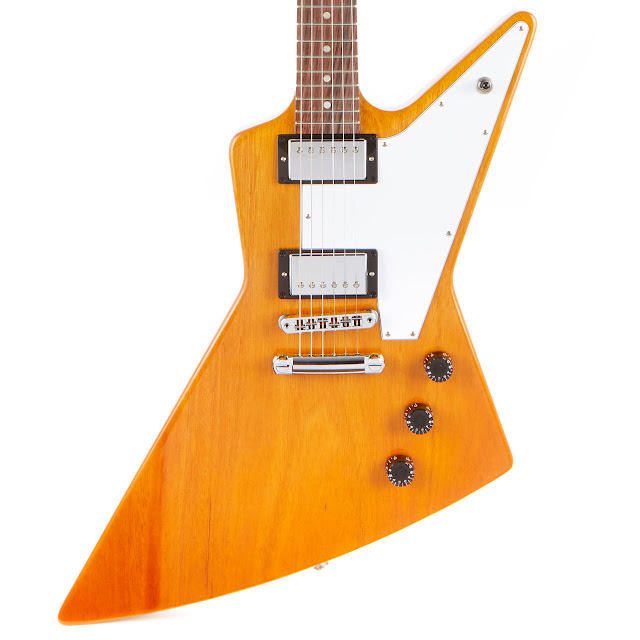
Gibson's 1958 Korina Reissue and its accuracy: Gibson has released historical reissues of the 1958 Korina Explorer, paying homage to the original model and its unique tonewood choice. The 1958 Korina Reissue seeks to recreate the essence of the original  Gibson Explorer , both in terms of aesthetics and sound. In terms of accuracy, Gibson's 1958 Korina Reissue strives to capture the essence of the original model through meticulous attention to detail. The body and neck are constructed using korina wood, a lightweight and resonant tonewood that was utilized in the original design. The neck profile, hardware, and finish are also replicated to match the specifications of the 1958 model, ensuring an authentic playing experience. Furthermore, the pickups and electronics of the 1958 Korina Reissue are designed to recreate the distinctive tonal characteristics of the original Explorer. Gibson carefully selects and winds the pickups to achieve the desired sound, aiming to capture the v...
Gibson Explorer vs. Other Gibson Models

Image
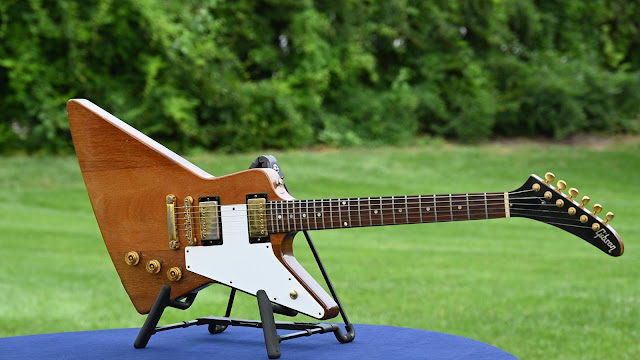
Comparisons to the Gibson Les Paul: The  Gibson Explorer  and the Gibson Les Paul are both iconic models in the Gibson lineup, each with its own distinct characteristics. While they share the Gibson name and heritage, there are notable differences between the two guitars. One of the primary differences lies in their body shapes. The Explorer features a modern and angular design, with sharp lines and a symmetrical double-cutaway shape. In contrast, the Les Paul has a more traditional and curvaceous single-cutaway body shape. The Explorer's design lends itself to a more contemporary and edgy aesthetic, while the Les Paul exudes a classic and timeless vibe. Tonally, the Explorer and Les Paul offer different sonic characteristics. The Les Paul is known for its warm and fat tone, courtesy of its mahogany body and set neck construction. It delivers a rich midrange, thick sustain, and a wide range of tonal possibilities with its dual humbucking pickups. On the other hand, the Explore...

Beyond the Explorer: Other Instruments Inspired by the Gibson Explorer Guitar

Image
Other guitar brands producing Explorer-style models: While the  Gibson Explorer  remains the iconic original, several other guitar brands have produced their own Explorer-style models, offering players alternative options with similar design aesthetics. These brands have drawn inspiration from the Explorer's unique body shape and angular contours, creating instruments that pay homage to the original while adding their own twists. Some notable guitar brands that have produced Explorer-style models include ESP/LTD, Jackson, Dean, and Schecter, among others. These manufacturers offer a range of Explorer-inspired guitars with variations in tonewoods, pickup configurations, and hardware options. These guitars often appeal to players seeking a more affordable alternative to the Gibson Explorer or who are looking for different tonal options and features within the Explorer design. Signature Explorers from famous musicians: In addition to the standard Explorer models, various guitar b...

Making it Your Own: Customization and Modifications of the Gibson Explorer Guitar

Image
Aftermarket pickup swaps and their effects: One of the most common modifications made to the  Gibson Explorer  is the installation of aftermarket pickups. Swapping out the stock pickups for different models can significantly impact the guitar's tone and versatility. There is a wide range of aftermarket pickups available, each offering distinct sonic characteristics and tonal options. The choice of pickups depends on the player's preference and desired sound. Some may opt for high-output pickups for increased power and aggression, while others may prefer vintage-style pickups for a more classic and warm tone. Different pickups can provide variations in output, frequency response, and tonal shaping, allowing players to customize their Explorer to suit their playing style and musical genre. Changing hardware to enhance performance: Another common customization made to the  Gibson Explorer  involves changing hardware components to improve performance and functionality. U...

From Classic to Modern: Exploring the Iconic Finishes of the Gibson Explorer Guitar

Image
Classic black finish with white pickguard: The classic black finish with a white pickguard is one of the most iconic and recognizable looks associated with the  Gibson Explorer . This timeless combination exudes a sense of sophistication, elegance, and a touch of rock 'n' roll attitude. The black finish provides a sleek and sleek appearance, while the white pickguard offers a striking contrast, enhancing the visual appeal of the guitar. This iconic finish has been used on numerous Explorer models throughout the years, becoming synonymous with the instrument. It has been favored by many legendary guitarists, contributing to its status as an iconic and sought-after style. The black and white combination perfectly complements the bold and angular design of the Explorer, further accentuating its striking aesthetic. Custom finishes and limited editions: Gibson has offered a variety of custom finishes and limited edition options for the Explorer, allowing players to personalize their...

Famous Users and the Styles of Gibson Explorer

Image
James Hetfield (Metallica) and heavy metal: James Hetfield, the co-founder, rhythm guitarist, and lead vocalist of Metallica, has become synonymous with the  Gibson Explorer  in the realm of heavy metal. Hetfield's choice of the Explorer as his primary instrument has left an indelible mark on the genre. With its aggressive looks and powerful tone, the Explorer perfectly aligns with the heavy and intense sound of Metallica. Hetfield's distinctive rhythm playing style, characterized by tight palm-muted chugging riffs, fast downpicking, and precision, is well-suited to the Explorer's tonal capabilities. The thick and powerful sound produced by the Explorer's humbucking pickups allows Hetfield to achieve the aggressive and crushing guitar tones that have become a trademark of Metallica's music. The Explorer's sustain and clarity enable Hetfield to deliver thunderous power chords and tight riffing, essential elements of Metallica's sound. The Edge (U2) and atmosp...

Navigating Playability and Comfort: The Gibson Explorer Guitar

Image
Ergonomics and balance while playing standing or sitting: The  Gibson Explorer  is designed to provide excellent ergonomics and balance, whether played while standing or sitting. Its unique body shape and contours contribute to a comfortable playing experience. The angular design of the Explorer allows for a secure resting position against the player's body, minimizing discomfort and strain during long playing sessions. The placement of the neck and body allows for optimal reach and accessibility to all frets, making it easy to navigate the entire fretboard without hindrance. Furthermore, the weight distribution of the Explorer is carefully considered to ensure a well-balanced instrument. The solid-body construction, combined with the placement of the strap buttons, helps to distribute the weight evenly across the player's body. This balance reduces strain on the player's shoulders and back, allowing for extended playing sessions without discomfort. Access to upper frets an...

Unleashing the Sound and Tone of the Gibson Explorer Guitar

Image
Versatility across different musical genres: One of the notable aspects of the  Gibson Explorer  is its versatility across a wide range of musical genres. While often associated with rock and metal, the Explorer's tonal capabilities extend beyond these genres. Its well-balanced tonewoods, pickup configurations, and construction contribute to its adaptability in various musical styles. In rock and hard rock genres, the Explorer's inherent characteristics, such as its thick and resonant tone, sustain, and midrange emphasis, make it well-suited for delivering powerful rhythm guitar parts. The Explorer's high-output humbucking pickups excel in producing crunchy, distorted tones, providing the necessary punch and aggression for heavy rock riffs and solos. The Explorer's versatility extends to blues and classic rock as well. With its warm and focused midrange, the Explorer can deliver soulful and expressive tones that are ideal for bluesy lead lines and smooth, vintage-inspir...

Exploring the Design and Construction of the Gibson Explorer Guitar

Image
Unique body shape and contours: The  Gibson Explorer 's body shape is one of its defining features. With its sharp angles, aggressive lines, and symmetrical double-cutaway design, the Explorer stands out as a visually striking instrument. The angular body shape gives the Explorer a modern and futuristic appearance that sets it apart from traditional guitar designs. The unique contours and beveled edges contribute to the guitar's ergonomic feel, allowing for comfortable playing in both seated and standing positions. The unconventional shape of the Explorer not only makes a bold visual statement but also contributes to its distinctive sound and playability. Choice of tonewoods and their impact on sound: The choice of tonewoods used in the construction of the  Gibson Explorer  plays a crucial role in shaping its sound characteristics. Historically, the original Explorers from the late 1950s were crafted from Korina wood. Korina, also known as African limba, is a lightweight ...

History of the Gibson Explorer

Image
The history of the Gibson Explorer dates back to the late 1950s, a time when Gibson was looking to introduce innovative designs to compete with Fender's popular solid-body electric guitars. The Explorer, with its radical and futuristic appearance, was unlike anything Gibson had ever produced. It was introduced in 1958 as part of a series of "modernistic" guitars, which also included the Flying V and the Moderne (which was never released initially). Historical significance and impact: The release of the Gibson Explorer was met with mixed reactions. Its angular, asymmetrical body shape was a significant departure from the traditional guitar designs of the time, which caused controversy and skepticism among musicians and consumers. Many felt that the Explorer's unconventional appearance would hinder its acceptance in the market. However, despite the initial reservations, the Explorer went on to make a lasting impact on the guitar industry and popular music. Evolution of...